Next Roundtable · Book your seat
Retail & Hospitality

Retail and hospitality run on people. Finding motivated candidates at volume, quickly and repeatedly, is the operational challenge.

The strategic challenge is keeping them. We solve both.

52%

Annual attrition in hospitality (the highest of any UK sector)

3 years

Average median tenure in hospitality (second lowest of any UK industry)

50%

Of waiting staff are aged 16–24, despite that group making up just 10% of the UK workforce

The challenge

Attrition in retail and hospitality is not a problem that effort alone will solve. It is structural. According to CIPD analysis of ONS data, hospitality has a 52% annual attrition rate (more than one and a half times the UK average of 34%). In bars and clubs the figure reaches 47%. Forty per cent of hospitality employees move to another employer within 12 months. Average median tenure across the sector is three years. That is the second lowest of any UK industry.

The demographic profile makes this both more understandable and more important to address properly. Young people aged 16 to 24 make up just 10% of the UK workforce. They account for 50% of waiting staff, 48% of bar staff and 48% of baristas. Early talent recruitment is not a specialist programme for retail and hospitality. It is the primary route through which the workforce is renewed.

The cost is significant and largely uncalculated. Oxford Economics and Unum research found that replacing a lost employee costs UK businesses an average of £30,614, including direct replacement, onboarding and productivity loss. In a sector where replacement cycles are frequent and seasonal, this becomes a cost that most finance directors have stopped calculating because they have stopped noticing it.

The government’s expansion of foundation apprenticeships into retail and hospitality (part of a £725 million investment in the apprenticeships system announced in December 2025) creates a formal route to build more committed, better-developed early talent. Apprenticeship recruitment is more complex than direct hire: eligibility requirements, longer timelines, candidate engagement across months rather than weeks.

Perception compounds everything. Many young people do not see retail or hospitality as a career. They see it as a job. The employers who change that story earliest, and give candidates a genuine picture of what a career in the sector involves, will build the pipeline that others are still waiting for.


Our approach

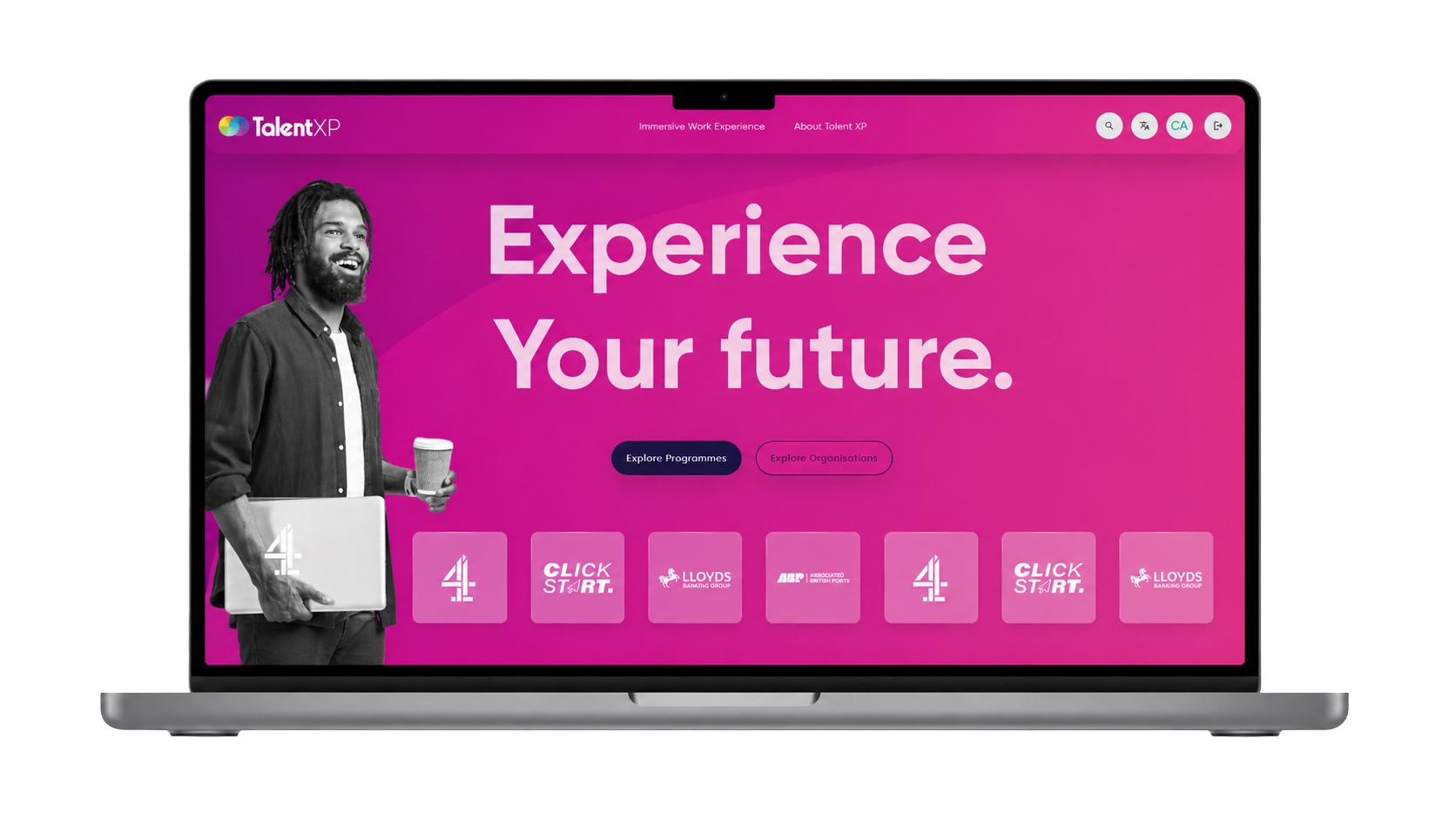
Immersive Work Experience gives candidates a real encounter with the employer’s brand and culture before they apply. Candidates who complete an immersive programme understand the work, have made an active choice to pursue it, and arrive at application already assessed. Late-process dropout falls materially when candidates have had genuine exposure to the role before committing to an application. Mismatched expectations are resolved before the offer stage, not during onboarding.

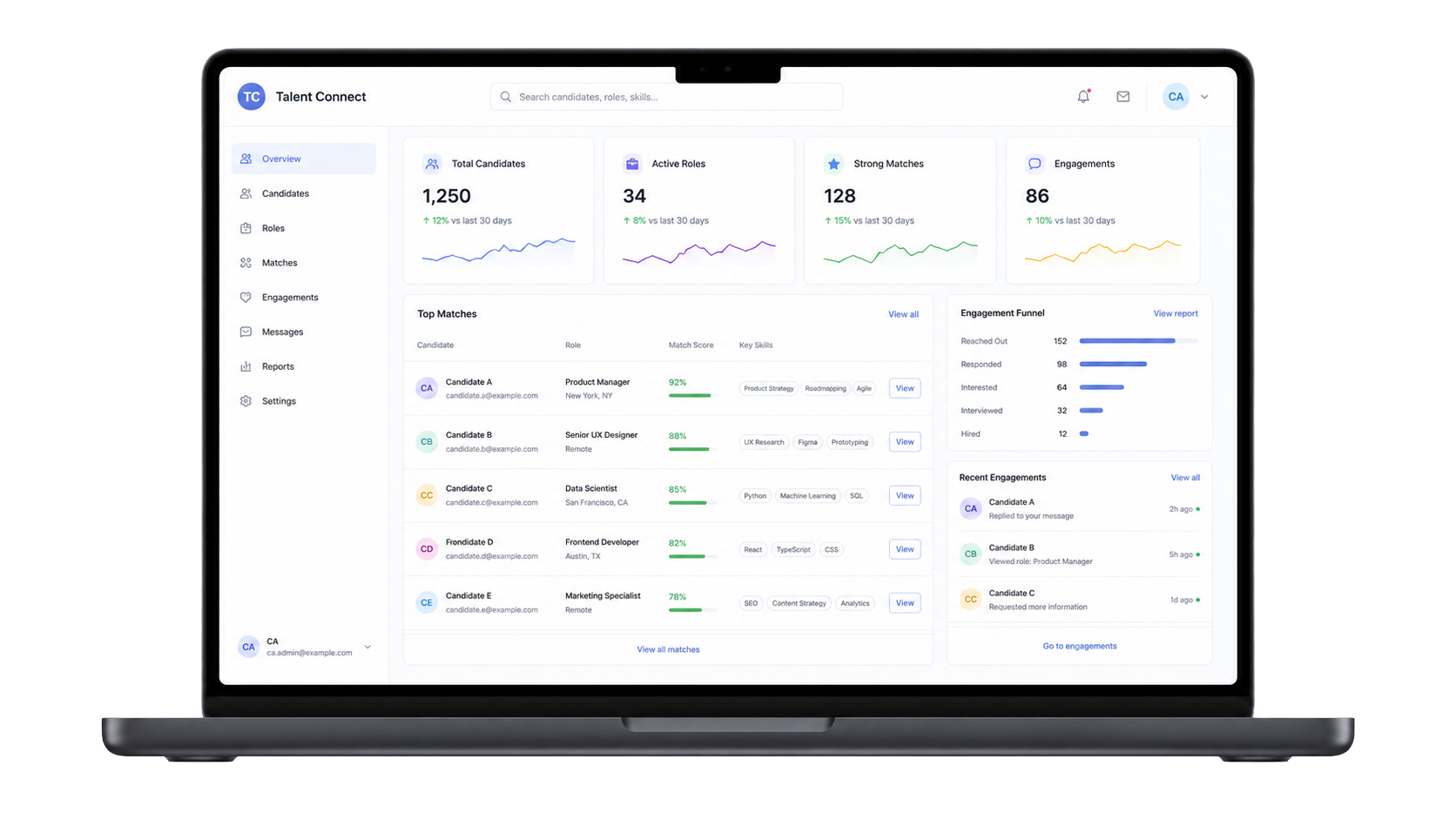
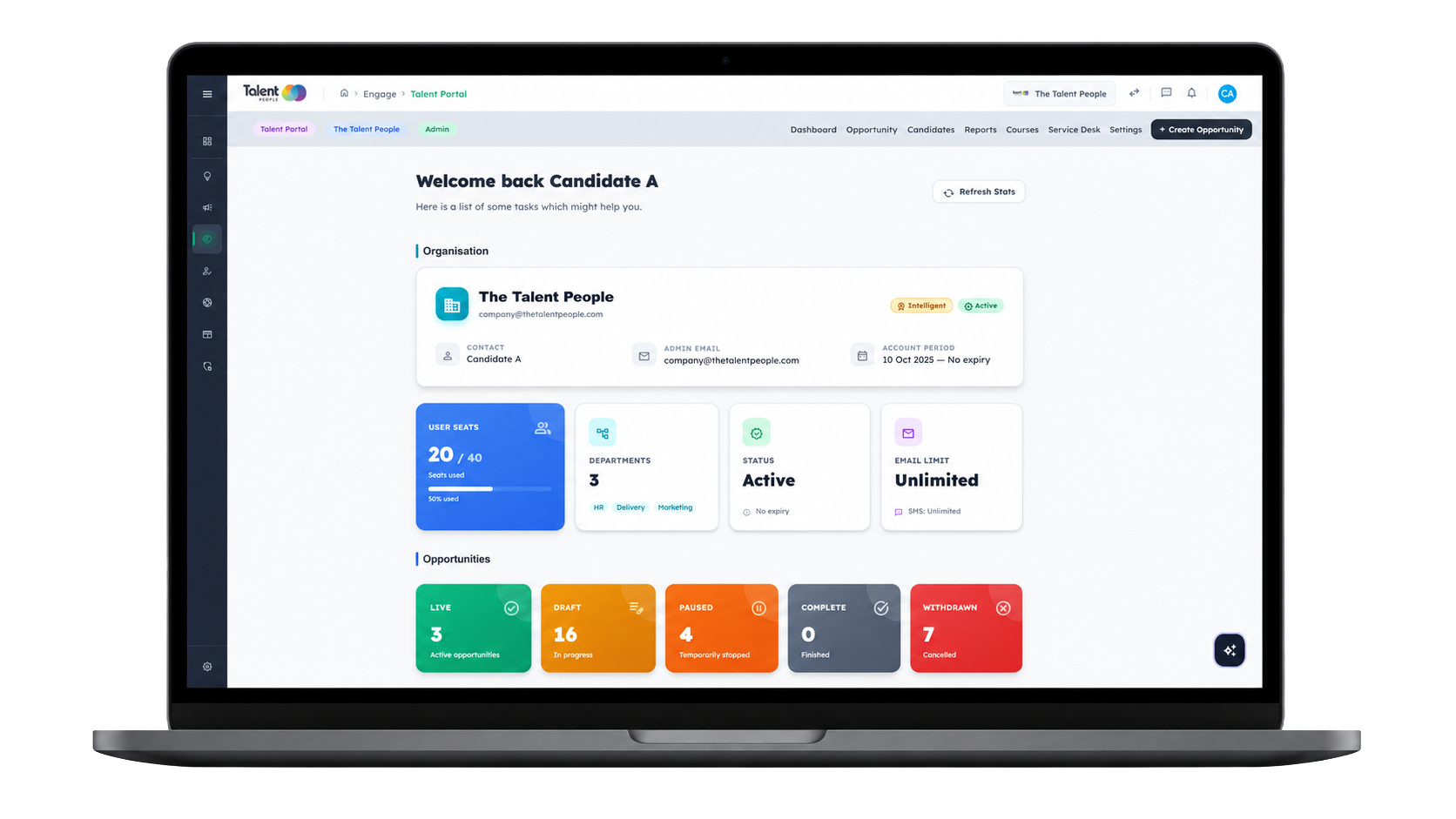
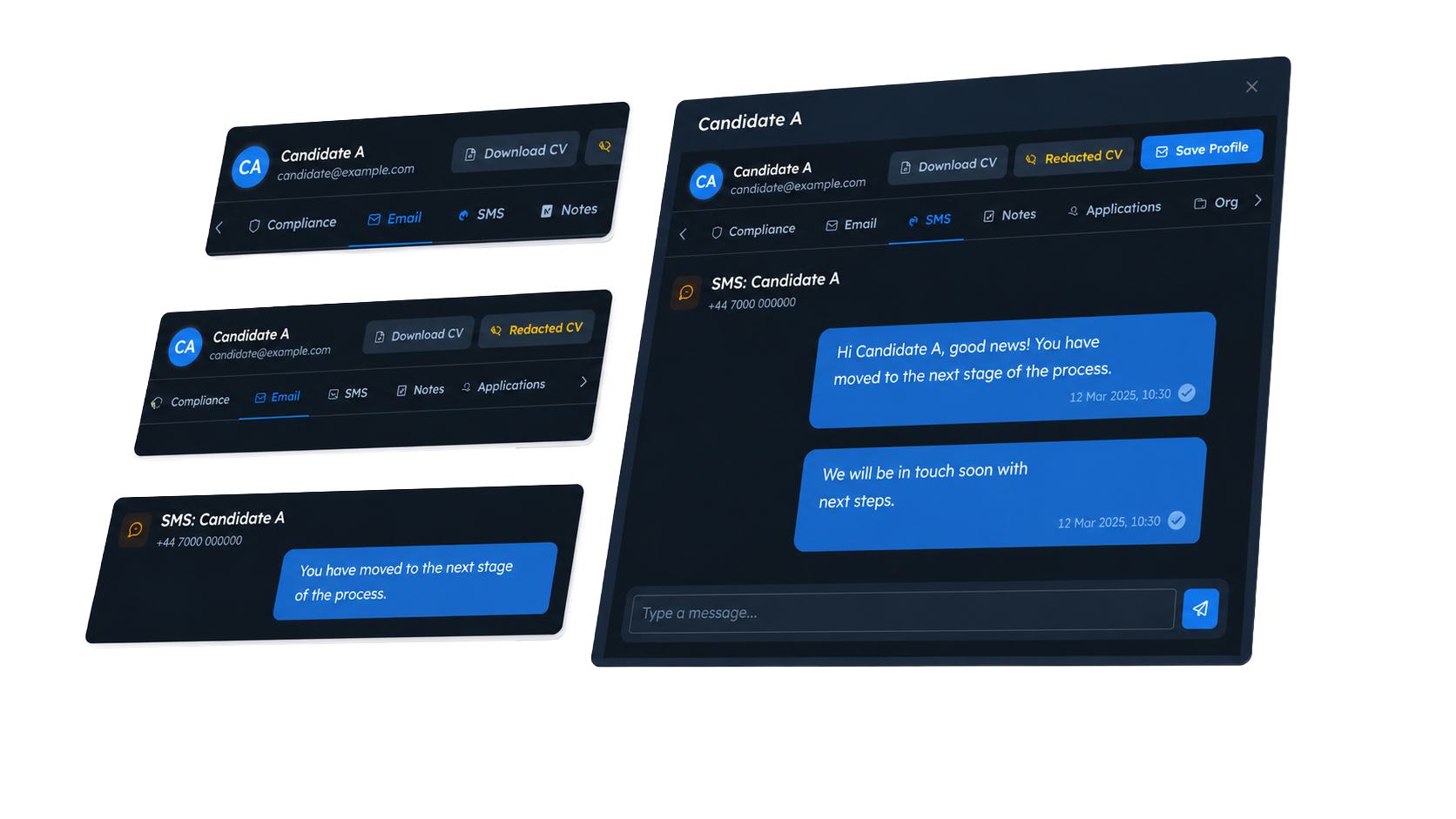
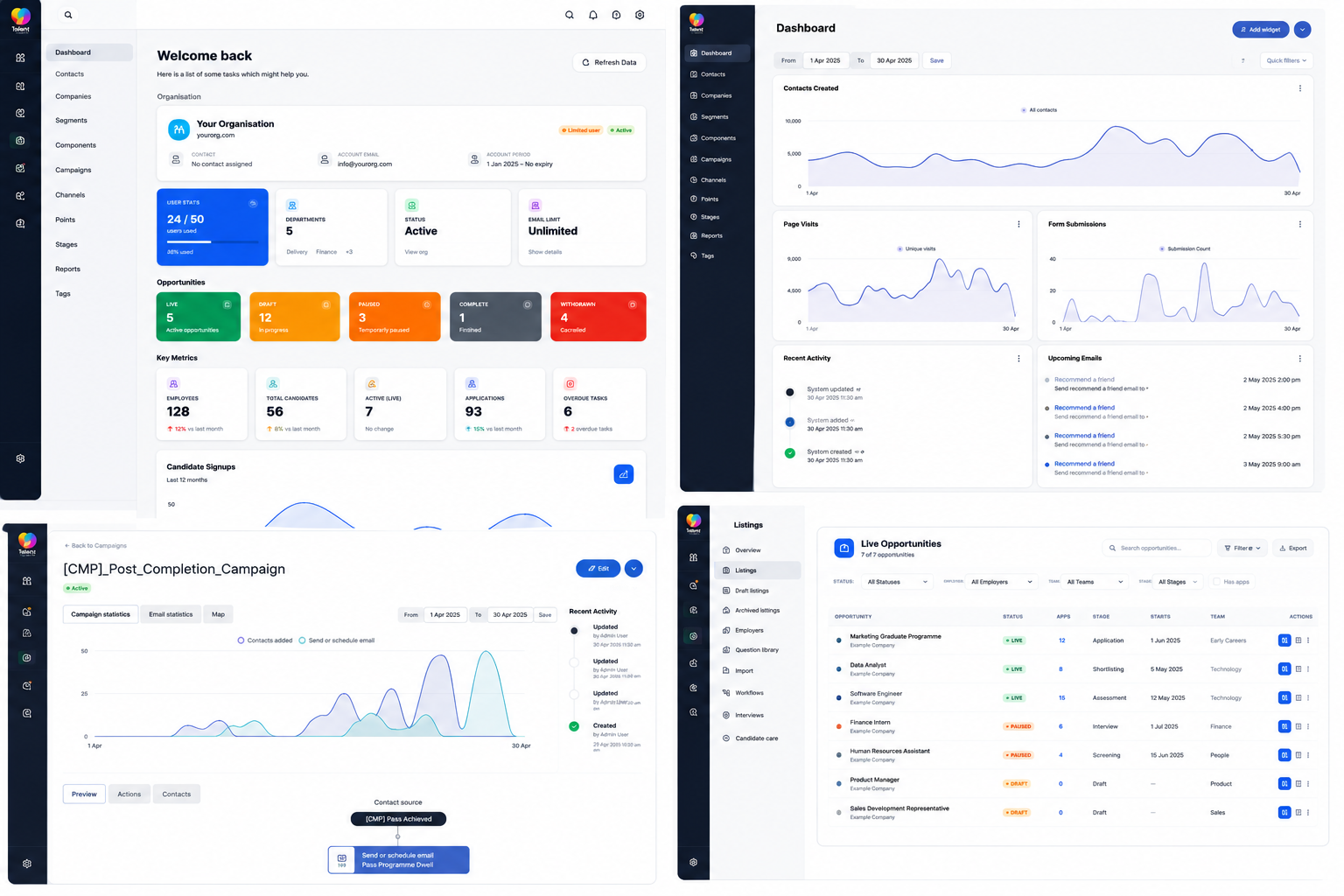
Talent Connect manages multi-channel candidate engagement across what can be a lengthy apprenticeship or programme recruitment timeline. Email, WhatsApp and SMS, automated nudges at each stage, in-flight analytics on which messages are converting. The Talent Portal handles high-volume pipeline management with automated chasing, so recruiters spend time on conversations that matter rather than ones that can be automated.

Common questions

Why is hospitality staff turnover so high in the UK?

Hospitality has the highest staff turnover of any UK sector: 52% annually, against a UK average of 34%, according to CIPD analysis of ONS data. Within the sector, bars and clubs reach 47%. Contributing factors include lower average pay (the average hospitality salary is around £25,000 against a UK average of £37,430), the prevalence of shift and zero-hours working patterns, and a high proportion of young workers, who move employers more frequently across all sectors. The factor most within employers’ control is mismatched expectations at hire. Candidates who did not fully understand the role before applying are more likely to leave early. Building genuine role understanding before the application opens addresses the most avoidable source of attrition.

How do I reduce early attrition in retail and hospitality?

The most reliable route to reducing early attrition is improving self-selection: ensuring candidates have genuine, accurate information about the role, the working environment and the culture before they apply, rather than relying on a job description and a brand page. Candidates who have completed structured work experience, and who have made an informed, active decision to pursue a role on the basis of real exposure, leave earlier in the tenure curve at significantly lower rates than those who applied speculatively. Immersive Work Experience is built specifically to produce this outcome. The second most impactful lever is onboarding. A candidate who arrives on day one with clear expectations, an established sense of the team they are joining, and a structured induction has a materially better first 90 days than one who received an offer letter and a start date.

How do I recruit apprentices for retail and hospitality at volume?

Apprenticeship recruitment in retail and hospitality involves a longer and more complex process than direct hire: eligibility assessment, funded programme enrolment, engagement maintained over months rather than weeks. The most common point of failure is candidate drop-off during that extended process, particularly between application and programme start. Talent Connect manages multi-channel engagement throughout the pipeline: automated messages at key milestones, real-time analytics on conversion rates by channel, and personalised communication that keeps candidates connected to the employer during the gap between offer and start. The Talent Portal handles the compliance layer, including ESFA eligibility logic for funded apprenticeship programmes.

What is the cost of high staff turnover in hospitality?

Oxford Economics and Unum research found that replacing a lost employee costs an average of £30,614 in the UK, including direct replacement cost (around £5,433), onboarding time and productivity loss during the transition period. In hospitality, where replacement cycles are frequent and often coincide with peak trading periods, the aggregate annual cost is rarely calculated at the organisation level because each individual replacement appears routine. The cost of building a pipeline that produces better-matched, better-prepared candidates who stay longer is substantially lower than the running cost of high turnover. The comparison is rarely made because the two costs sit in different budget lines.

Talk to us about reducing early attrition in your retail or hospitality talent pipeline.

Get in touch